
Nxt Radar
Oluwaseyi Amosun
Mar 13, 2026
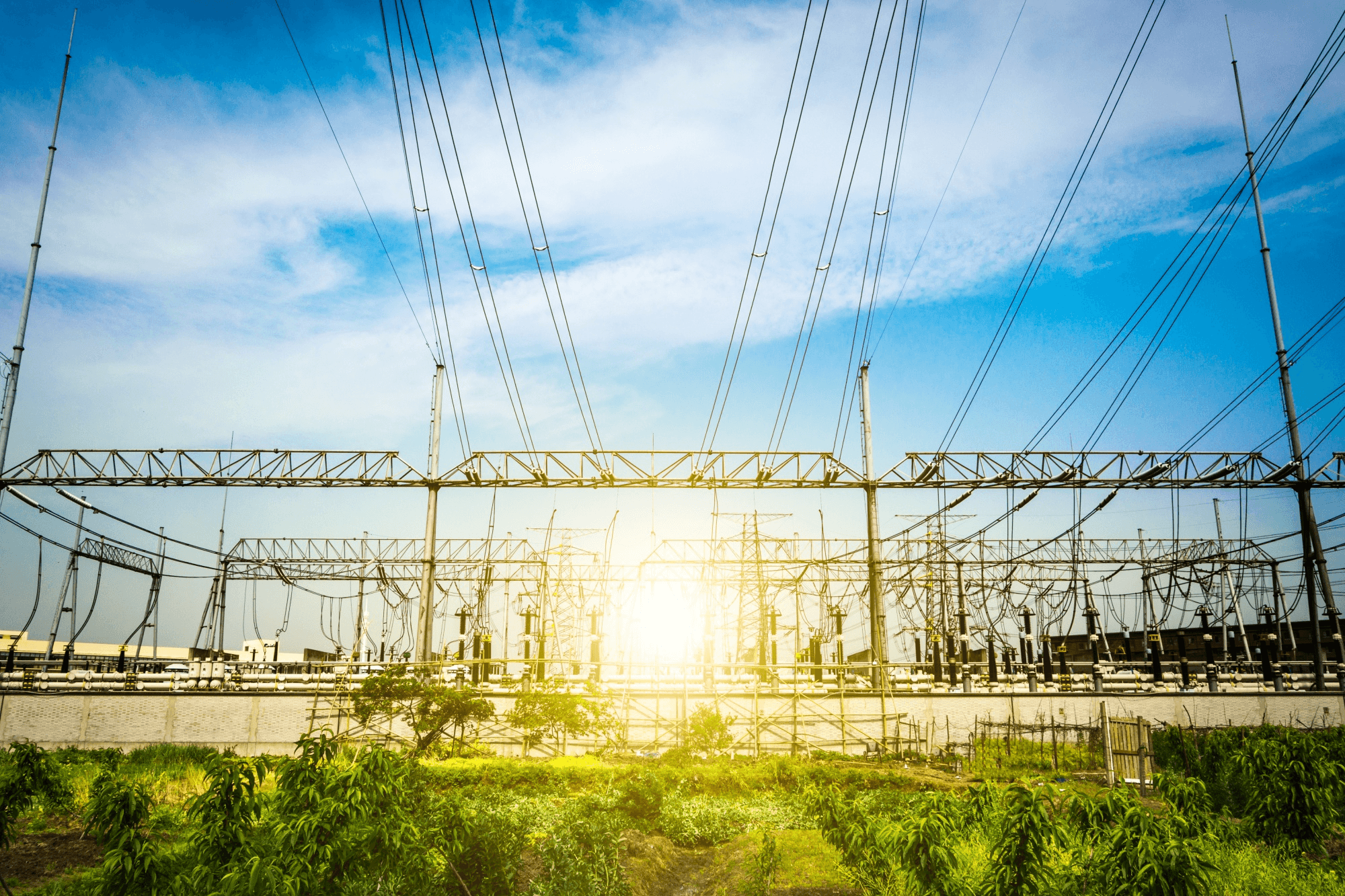
As Nigeria’s electricity grid falters and fuel prices climb sharply, remote workers and tech professionals are facing an unprecedented power dilemma that threatens productivity, income and the future of digital work in Africa’s largest economy.
For many tech workers, the daily routine now includes waiting for brief flashes of electricity, scrambling to reconnect during virtual meetings when power suddenly goes out, and bearing the high cost of fueling generators just to stay online. Unstable grid supply has become so bad that even consumers who pay higher tariffs often see little improvement in service.
The situation reflects deeper structural challenges in Nigeria’s power sector, which now affects professionals whose livelihoods depend on reliable electricity.
Blackouts, Grid Failures and Costly Fuel Dependence
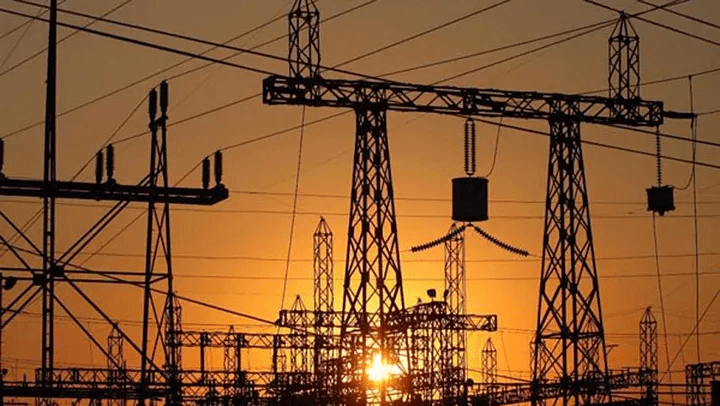
Nigeria’s grid capacity continues to struggle amid recurring supply challenges. National electricity generation has hovered around 4,300 megawatts in early 2026, a fraction of what is required for a population of more than 200 million people.
When generation dips, load shedding becomes inevitable, forcing millions of households and businesses to depend on self-generation through petrol and diesel generators.
At the same time, increased fuel prices are worsening the situation. The ongoing geopolitical tensions involving the United States, Israel and Iran have pushed global crude oil prices higher as supply risks around key shipping routes such as the Strait of Hormuz tighten global markets.
Analysts say such disruptions often translate into higher diesel and petrol prices internationally, and countries like Nigeria that rely heavily on imported refined products feel the effects directly at the consumer level.
Industry groups have warned that petrol prices could approach ₦2,000 per litre if global volatility persists, with diesel costs also trending upward as supply chains tighten.
The worsening electricity situation has also sparked criticism of government leadership in the power sector. On social media, many Nigerians have openly mocked the Minister of Power, Bayo Adelabu, accusing the ministry of failing to stabilise the grid despite tariff increases.
Critics argue that higher electricity tariffs have not translated into improved supply, while others point to deeper systemic problems, including ageing infrastructure, weak transmission capacity and financial instability across the power value chain.
Meanwhile, the Nigerian National Petroleum Company Limited (NNPCL) announced on March 11, 2026, that it had reduced petrol prices by ₦95 following a production price adjustment by the Dangote Refinery, according to a report by Daily Post.
While the cut provides temporary relief for consumers, energy analysts say prices remain significantly higher than a year ago and could continue fluctuating due to global geopolitical instability.
For remote workers and small tech enterprises already operating on tight margins, maintaining productivity with expensive generators is becoming increasingly unsustainable.
Remote Workers and the Daily Reality

For freelance creatives, software developers and digital professionals across Nigeria, erratic electricity supply is not just an inconvenience but a daily barrier to earning a living.
During conversations with Nxt Box, several remote workers described how rising fuel costs and unreliable electricity are reshaping their work routines and financial realities.
AJ, a graphic designer based in Ibadan, said the situation has severely disrupted his productivity.
“We have not had light for the past seven days. Anytime they bring it, it stays for just two or three minutes before it goes again,” he said. As a result, he now runs his generator for extended hours just to meet deadlines.
Quadri, a web developer based in Osogbo, said remote work used to be a cost-saving option because it eliminated transportation expenses and the stress of commuting.
However, the rise in fuel prices and unreliable electricity has changed that reality.
“Working remotely used to be cheaper. But now there is not much difference between working hybrid and working from home,” he said.
According to him, powering his workspace now requires running a generator for several hours every day.
“On average, I spend about ₦4,000 to ₦5,000 daily on fuel. That translates to roughly ₦120,000 to ₦150,000 monthly just to keep my laptop, internet router, and other devices running,” he explained.
Beyond the financial strain, AJ says the power outages are slowing down his work.
“Something that would normally take me two days to finish now takes five or six days. It is frustrating because you cannot keep telling international clients that there is no electricity in your country,” he said.
Success, a social media manager who frequently handles digital campaigns and content production, said the fuel hike is also affecting field work.
“When I have to go for a shoot day, the hike in fuel price makes things inconvenient because many contracts were negotiated before the price increase,” she said.
The rising cost of energy has pushed her to begin exploring alternative solutions.
“I already spend over ₦40,000 monthly on fuel and power-related expenses. I am now considering getting a portable power station so I can reduce the cost and stress,” she said.
For many remote workers like AJ, Quadri and Success, the combination of rising fuel costs and persistent blackouts has turned what was once a flexible work model into a daily struggle for stable electricity.
Tech-Driven Alternatives: Solar, Storage and Hybrid Power
As fuel prices rise and grid electricity remains unreliable, many Nigerian tech professionals are increasingly turning to alternative energy solutions to keep their workspaces powered.
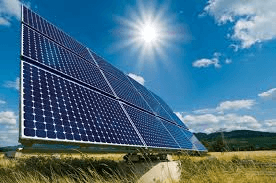
One of the most widely adopted options is solar power systems. Small-scale solar setups consisting of panels, inverters and lithium batteries are becoming common in homes and small offices. These systems can power essential work equipment such as laptops, internet routers, lights and monitors throughout the day while storing excess energy for use during outages or at night.
Although installation costs can be high, many users say the long-term savings compared with generator fuel make the investment worthwhile.
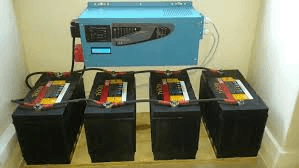
Closely related are inverter and battery backup systems, which store electricity whenever grid power becomes available and automatically supply energy during outages. While they still depend on the grid for charging, inverters provide a reliable buffer that allows remote workers to continue working through sudden blackouts.

Another option gaining popularity is the use of portable power stations. These compact battery units can power laptops, cameras and internet routers for several hours and can be recharged through wall outlets or solar panels. For freelancers and content creators who work across multiple locations, portable stations provide flexible backup power.
Beyond individual setups, co-working spaces and tech hubs are increasingly adopting hybrid energy systems that combine solar panels, battery storage and intermittent grid electricity. Smart energy management systems automatically switch between power sources depending on availability, helping reduce dependence on petrol or diesel generators.
Energy analysts say distributed solutions such as solar and hybrid power could become essential infrastructure for Nigeria’s growing digital economy. As remote work, startups and creative industries expand, reliable off-grid power may determine whether many professionals remain competitive in the global digital marketplace.
Towards a Resilient Tech Economy
For tech workers, adopting alternative energy solutions is becoming both a survival strategy and a signal that the future of work in Nigeria will require predictable, clean and affordable power.
Without such reforms, Nigeria’s most dynamic sectors, including its rapidly growing digital workforce, will continue to struggle against blackouts and rising fuel costs.
Yet across homes, coworking spaces and small offices, many Nigerians are already building their own solutions, demonstrating that necessity remains a powerful driver of innovation in Africa’s largest economy.