
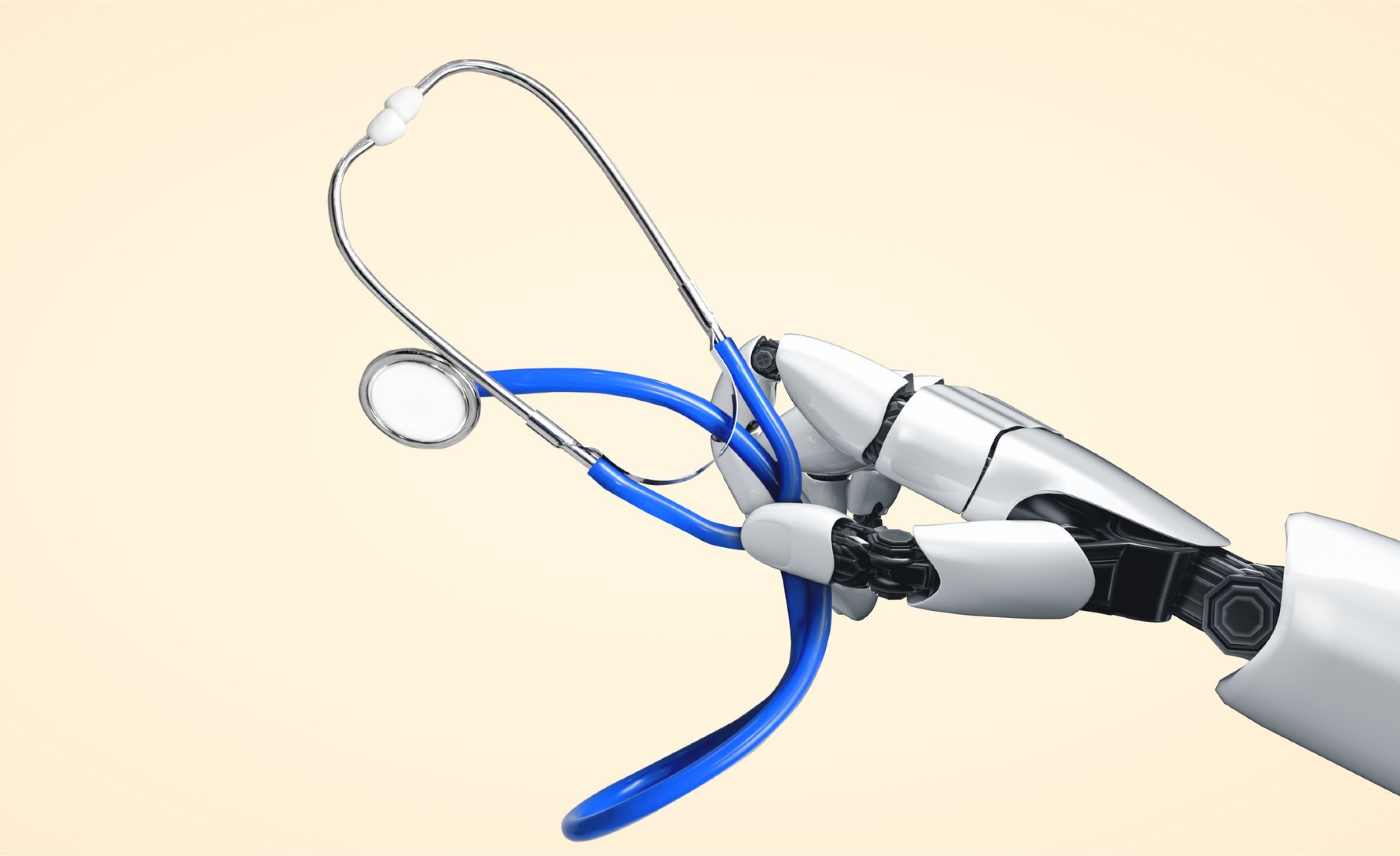
Something is quietly changing in African hospitals. Artificial intelligence is helping doctors make faster and more accurate decisions, as opposed to the long waits, delayed diagnoses, and overworked doctors we are used to. Instead of waiting days for scan results, AI-powered diagnostic tools can analyse chest X-rays in minutes. In areas where there are few radiologists, machine learning systems now help detect tuberculosis, pneumonia, and early signs of cancer. For patients, this means earlier treatment and fewer life-threatening delays.
AI chatbots and digital triage tools are also expanding access to care in rural communities. Where doctors are scarce, these systems guide patients through symptoms and connect them to health workers. In regions struggling with low doctor-to-patient ratios, AI in African healthcare is not just innovation; it is becoming a practical solution to real access problems.
Examples of AI tools transforming the African Healthcare System
AI is changing the way clinics, hospitals, and public health programs operate. In Nigeria, Hyrax AI quickly analyses chest X-rays to detect diseases like tuberculosis and pneumonia, helping doctors make faster and more accurate decisions. Telemedicine platforms such as Babylon Health Africa use AI chatbots to assess patient symptoms and connect people with healthcare workers in remote or underserved areas.
In Kenya, M-TIBA uses AI to manage health payments and improve resource allocation for clinics and insurers, making healthcare delivery more efficient. Nigerian startups like Doctoora and Zuri Health are using AI to streamline patient triage, lab diagnostics, and remote consultations, improving access and reducing wait times.
One key innovation is CareSync, which uses AI to coordinate patient care across multiple clinics. The system connects multiple clinics, tracks patient progress, and helps health workers spot urgent cases before they escalate.
AI is also improving disease diagnosis. LifeBank AI Labs and PathAI Africa are using machine learning to analyse digital pathology slides and detect diseases like cervical cancer early. These tools bring critical screening services to communities with few trained pathologists, helping clinics makefaster andmore accurate diagnoses across Africa.
The Healthcare Systems Perspective
Smarter Hospitals Through Data
Behind the scenes, artificial intelligence is changing how hospitals operate. Many African health systems face high patient volumes, medicine shortages, and poor record-keeping. AI-powered tools are now helping hospitals predict patient admissions, manage supplies, and reduce waste.
Digital health records integrated with AI allow hospitals to track chronic conditions like hypertension, diabetes, and HIV more effectively. Instead of reacting to emergencies, health systems can identify risks earlier. This shift toward predictive healthcare is one of the biggest changes happening in healthtech Africa today.
But the progress is uneven. Many facilities still rely on paper records. Inconsistent electricity, weak internet access, and fragmented digital systems limit how effective these AI tools can be outside major cities. For AI in African healthcare to scale, infrastructure must catch up.
The Public Health Perspective
Predicting Outbreaks Before They Spread
AI is also changing public health strategy.
The government now use AI models to analyse weather patterns, mobility data, and historical infection trends to predict potential malaria and infectious disease hotspots.
In regions where outbreaks can spread quickly across borders, predictive analytics gives public health agencies enough time to act. Instead of reacting late, authorities can deploy vaccines, medical supplies, and personnel earlier.
This shows that AI in Africa is not only about hospital care. It is becoming part of the national health infrastructure.
The Innovation and Investment Perspective
Healthtech Growth and Global Partnerships
The rise of AI in African healthcare is attracting global attention. Healthtech startups across Nigeria, Kenya, South Africa, and Egypt are building AI-driven diagnostic and workflow solutions tailored to local needs.
A recent initiative supported by the Melinda and Bill Gates Foundation and OpenAI aims to introduce AI-powered support tools into primary health clinics across several African countries. The goal is simple: help overstretched healthcare workers make better decisions faster.
These partnerships reflect growing confidence in digital health in Africa. But investment alone is not enough. Long-term impact will depend on local ownership, regulatory clarity, and workforce training.
The Gaps — Data, Skills, and Regulation
Despite the excitement, serious gaps remain.
One major problem is data. Most global medical AI systems are trained on Western datasets. Very little training data comes from African populations. This raises concerns about bias, accuracy, and fairness. An algorithm trained mostly on European or North American patients may not perform as well for African patients.
There is also a shortage of trained professionals who understand both medicine and AI.Limited digital literacy among healthcare workers slows adoption.
Regulation is another weak point. While some African countries are developing national AI strategies, clear rules around patient data protection, algorithm accountability, and ethical standards are still evolving. The World Health Organisation (WHO) has warned that without strong safeguards, AI could widen health inequalities instead of reducing them.
Without better infrastructure, local data, and clear rules, AI could stay stuck in trial phases rather than becoming a real solution in the health sector.
Who Benefits from AI in African Healthcare?
AI has the potential to expand healthcare access across Africa, but only if it reflects African realities. Imported models that ignore local disease patterns, languages, and health systems may fail the communities they aim to serve.
Real transformation will require locally developed AI models, stronger data governance, and inclusive digital health policies. If done correctly, AI could help Africa leapfrog outdated infrastructure and build smarter, more resilient healthcare systems.
If done poorly, it could deepen existing divides.
The Road Ahead
In 2026, artificial intelligence in African healthcare is no longer theoretical. It is diagnosing diseases, predicting outbreaks, and helping doctors manage growing patient loads. The progress is real.
But so are the limits.
The future of AI in African healthcare depends on solving foundational issues: reliable infrastructure, local data generation, skilled professionals, and strong regulatory frameworks. Technology alone will not fix healthcare systems. But combined with policy reform and investment, AI could become one of the most important tools shaping the future of healthcare in Africa.
What do you think about AI in African healthcare?
For more insightful stories and updates, subscribe and follow Nxt Box on all social platforms.