
Nxt Dig Up
Temitope Adeyemi
May 7, 2026
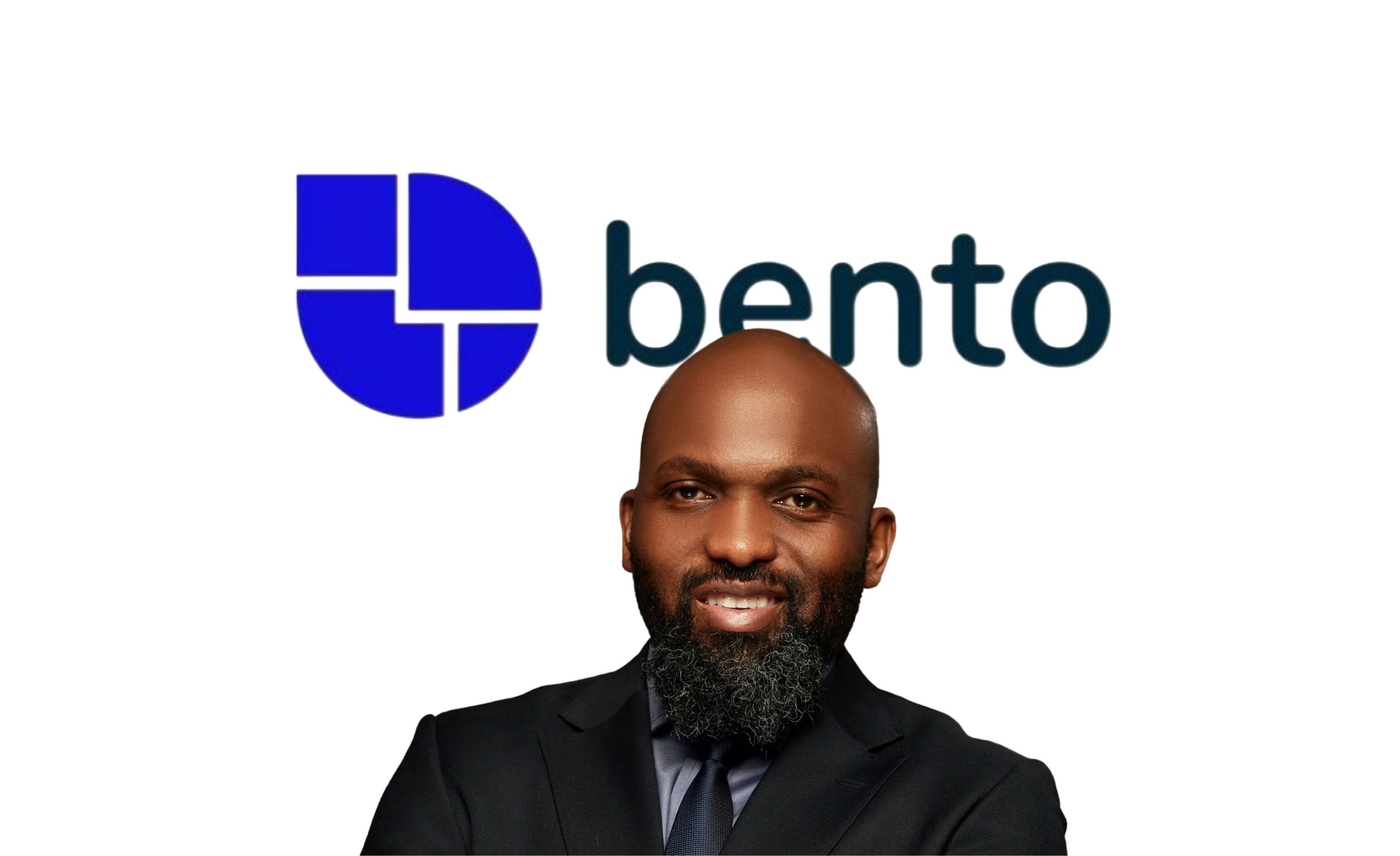
The Bento Africa story is the perfect example of why you can’t "tech" your way out of a bad culture.
It’s the story of a company that promised to fix HR but ended up becoming every employee's (and client's) worst nightmare.
Here is a breakdown of the "Bento Africa" saga, from the hype to the EFCC investigation.
Bento Africa, like every other startup, kicked off with a mission that was supposed to be loved by everyone: Making payroll easy. In a country like Nigeria, where tax and pension rules are a headache, Bento promised to make it all automatic. No more messy spreadsheets. Just one click, and your staff gets paid, their taxes go to the government, and their pensions go to the PFAs.
They raised millions of dollars, expanded to multiple countries (Ghana, Kenya, Rwanda), and had big-name clients like Paystack and Moniepoint. They were the "cool kids" of African HR-Tech, in a literal sense.
The first crack came when the world first saw the "real" Bento in 2022. A viral report exposed a culture of extreme toxicity.
We heard stories of 2:00 a.m. messages.
We heard of staff being called "monkeys" and "useless."
The CEO, Ebun Okubanjo, was known for a "move fast and break things" style that mostly just broke people.
He was asked to step down briefly, but he eventually came back. People thought, "Okay, maybe they’ve learned." Actually, they had not learnt anything.
The final explosion happened by late 2024, and in early 2025, the "automation" everyone loved turned out to be a facade.
While the app looked pretty on the front end, things were reportedly being done manually (and poorly) on the back end.
It was total chaos after it was discovered that clients started getting "love letters" from the LIRS (Tax Office) saying their taxes hadn't been paid. Some later discovered that the tax receipts Bento gave them were allegedly forged.
One client (Fuelmetrics) alleged that up to ₦50 million in taxes and pensions was unremitted.
Still around the first half of 2025, Bento’s 10-person tech team stopped working because they hadn't been paid their January salaries. Instead of a dialogue, the CEO reportedly fired the whole team.
With no tech team to keep the app running and the EFCC and LIRS knocking on the door, the board finally pulled the plug.
In February 2025, Bento announced it was "temporarily" shutting down to stabilise.
But for a fintech, Trust equals Life. Once the trust was gone, the clients vanished. The CEO resigned (and immediately started talking about his next AI startup), leaving behind a trail of angry clients and employees with "holes" in their pension accounts.
A few lessons to derive from this are:
Culture is a Product. If your internal culture is toxic, it will eventually leak into your product and your finances. You can’t build a healthy business on a "broken" team.
Fintech is about Trust, not Code. The moment people think you are "playing" with their pension or tax money, it's game over. There is no coming back from a compliance scandal.
The "Founder Trap". Just because a founder is brilliant doesn't mean they should be untouchable. Investors who ignore "red flag" behaviour usually end up losing their green bills.
Manual isn't Scalable. If you tell the world you’ve automated a process, but you're actually doing it manually behind the scenes, you’re just a ticking time bomb.
The Bento Africa story isn’t just about payroll software gone wrong. It’s about what happens when culture, governance and compliance are treated as secondary to growth.
Technology can automate processes. It can simplify payments. It can scale operations. But it cannot fix poor leadership, weak oversight or a toxic internal environment.
In fintech, especially, trust is not a feature; it is the product. The moment clients begin to question whether their taxes, pensions or salaries are safe, the entire model collapses.
Bento’s downfall is a reminder that in highly regulated industries, credibility is built slowly but disappears instantly. Growth without discipline is fragile. Automation without accountability is dangerous.
Startups don’t fail only because of bad ideas. Sometimes they fail because the foundation was unstable from the start.
And in tech, culture always shows up on the balance sheet.