Technology
Frances Nnaji
Mar 6, 2026
What if your next “smartphone” isn’t hand-held, but worn on your face instead?
The question of whether smart glasses are set to replace smartphones is now one of the hot topics in the tech industry.
Smart glasses are no longer a sci-fi experiment. With AI getting smarter and AR becoming lighter, tech companies are quietly betting that the screen we stare at all day may soon disappear altogether.
Although no one is throwing away their iPhone or Samsung just yet, AI and AR are coming together, and that combination is turning smart glasses into a serious contender. The idea behind this shift is a result of the convenience of invisible technology. Instead of constantly looking down at a separate screen, smart glasses seamlessly blend digital information into your field of view, offering hands-free, contextual, and more natural interaction with technology.
AI assistants are pushing smart glasses forward
One of the biggest reasons smart glasses are gaining attention is the rise of AI assistants. Companies like Google and Meta are building glasses that rely on voice-first AI to answer questions, translate languages, give directions, and deliver updates, all without needing to pull out your phone.
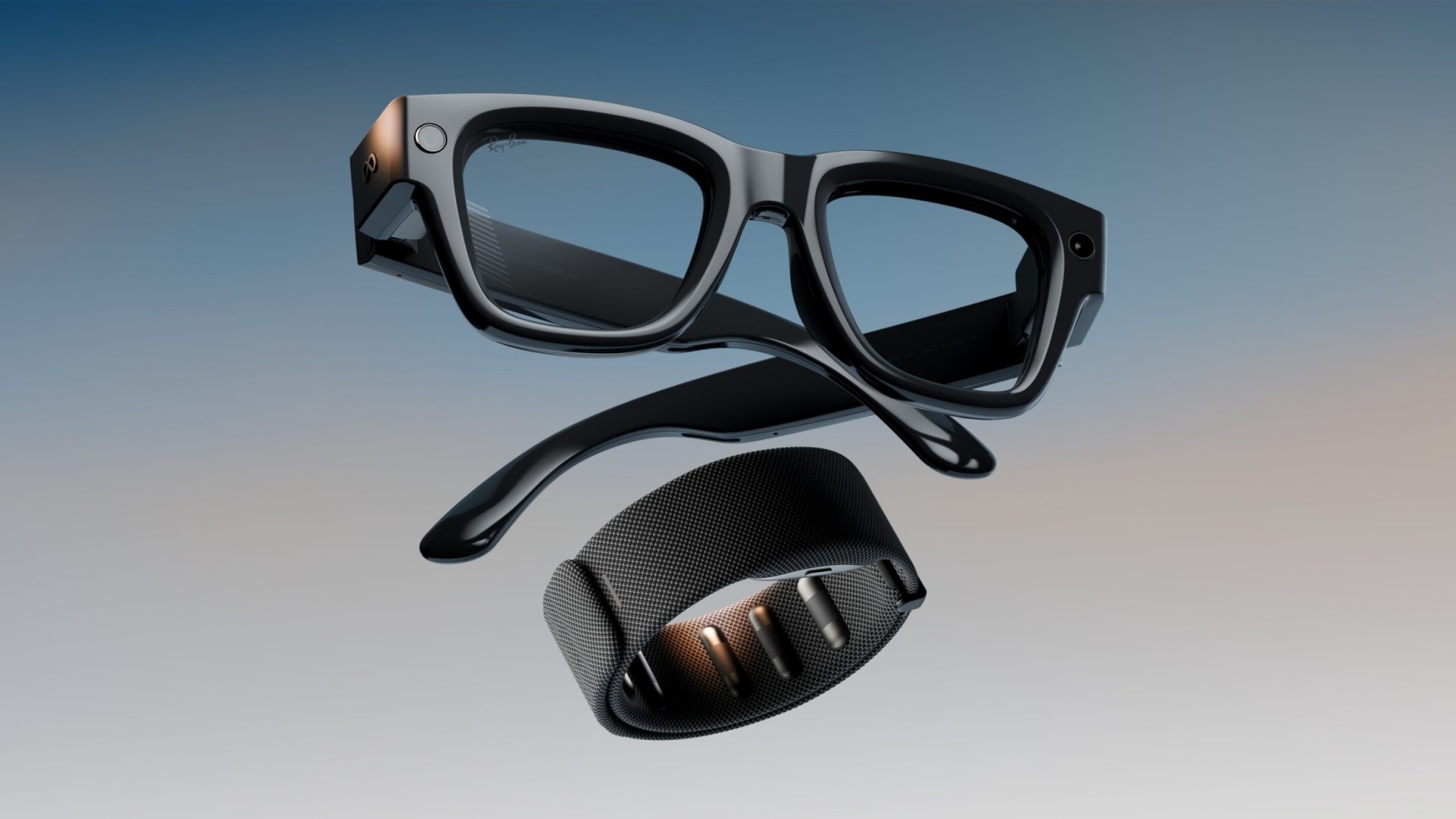
Google is expected to release its first AI-powered glasses in 2026, starting with screen-free models similar to Meta’s Ray-Ban AI glasses. Meanwhile, AR-focused companies like Xreal and Apple are developing glasses that can place digital elements, such as navigation arrows, notes, or video call windows, directly into your view of the real world.
Why smartphones aren’t going anywhere yet
Despite the excitement, smart glasses are not ready to replace smartphones. For now, they work best as companion devices.
Smartphones still win when it comes to larger screens, media consumption, complex tasks, social acceptance, and battery life. Smart glasses, on the other hand, face limits in display size, battery performance, and hardware design. They also lack a true “killer app, a must-have feature that will make them essential for everyone.
Why the industry is still betting on glasses
Even with these limitations, momentum is building. The global smart glasses market is expected to grow by over 29% each year through 2030. Much of this growth is coming from enterprise use in healthcare, logistics, and manufacturing, where tools like remote inspections, telemedicine, and hands-free workflows already deliver clear value.
Tech companies are also teaming up with major eyewear brands like Ray-Ban, Gentle Monster, and Warby Parker to make smart glasses more stylish and wearable. At the same time, AI-first, screen-free glasses are emerging as a practical middle ground, offering hands-free AI assistance without the bulk or battery drain of full AR systems.
The biggest barriers to mainstream adoption
Smart glasses still face major challenges beyond technology. Privacy is a top concern, as always-on cameras and microphones raise fears of constant recording, similar to the backlash faced by early Google Glass.
There are also human factors to consider. Continuous digital overlays can cause eye strain, mental overload, and reduced focus. Safety is another issue, especially when notifications appear while walking, cycling, or driving.
What the future likely looks like
Most experts agree that smart glasses won’t replace smartphones overnight. Instead, both devices will coexist for years. Glasses will gradually take over tasks that benefit from real-time, hands-free, and contextual interaction, while smartphones remain essential for deeper, screen-based tasks.
Real change will come when smart glasses combine strong AI, constant connectivity, and true contextual awareness. Smartphones still have a long head start, so the transition will be slow. However, as AI improves and designs become lighter and more comfortable, many believe smart glasses could become a primary way people interact with digital information by around 2035.
For now, the future is a blended ecosystem: glasses for instant, real-world interaction and smartphones for more complex computing.
The future of tech isn’t waiting. Are you?
Follow @thenxtbox on all socials for bite-sized updates on AI and the future of technology.