Policy
Temitope Adeyemi
Jan 7, 2026
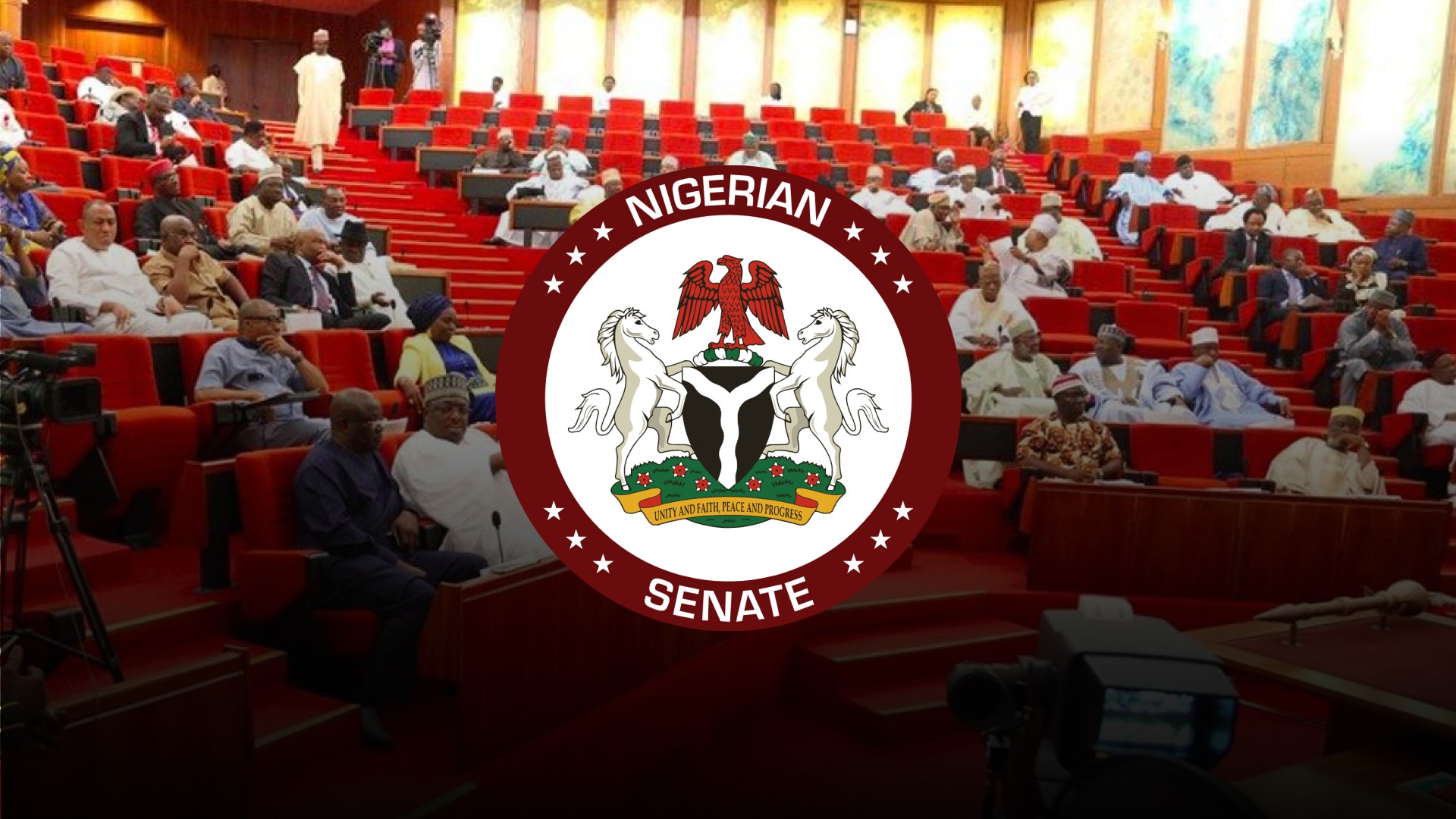
The Nigerian Senate and House of Representatives are pushing forward new major laws to strengthen the regulation of fintech companies. This comes amid growing concerns that large digital finance firms now pose serious risks to Nigeria’s financial system.
The plan includes amending the Banks and Other Financial Institutions Act (BOFIA) 2020 and creating a new body called the Nigerian Fintech Regulatory Commission (NFRC) to improve and coordinate fintech regulation.
Major Nigerian fintech companies such as OPay, Moniepoint, mobile money operators, and digital lenders serve millions of users, handle very large daily transactions, and hold sensitive financial data. However, regulation is currently split among several agencies, including the CBN, SEC, NITDA, NDPC, and NDIC, leaving gaps in supervision and exposing the system to security, consumer, and systemic risks.
The Senate’s proposed amendment to BOFIA, sponsored by Senator Tokunbo Abiru, aims to give the Central Bank of Nigeria (CBN) more power to supervise fintechs. Under the proposal, the CBN can label certain non-bank fintechs as “systemically important” and apply stricter oversight.
Key proposals include:
Creating a national fintech registry
Enforcing data storage within Nigeria
Strengthening consumer protection
Making company ownership clear and traceable
Senator Abiru referred to the CBN’s temporary ban on new fintech customer onboarding in April 2024, which followed compliance and anti-money laundering failures, as proof that current regulatory tools are not strong enough.
At the same time, the House of Representatives is considering a separate bill sponsored by Hon. Fuad Kayode Laguda. This bill proposes the creation of the NFRC as a single regulator to replace the current scattered oversight system.
The NFRC would handle licensing, compliance monitoring, dispute resolution, consumer protection, performance standards, and local ownership rules. By having one regulator, the bill aims to reduce confusion caused by overlapping agencies, improve transparency, and ensure smaller fintechs can access key systems through policies such as interoperability and open banking.
Together, the Senate and House proposals aim to support fintech innovation while protecting financial stability, consumers, and national security. Lawmakers say combining stronger CBN oversight with a unified fintech regulator follows global best practices.
What to Expect Next:
The Senate Finance Committee and relevant House committees are expected to hold more hearings and consult industry stakeholders before final approval. If passed, fintech companies will face tougher licensing rules, stronger compliance requirements, and higher governance standards. These changes could significantly reshape Nigeria’s digital finance sector and improve investor confidence.
Follow us @thenxtbox to stay ahead of updates in the tech space.