
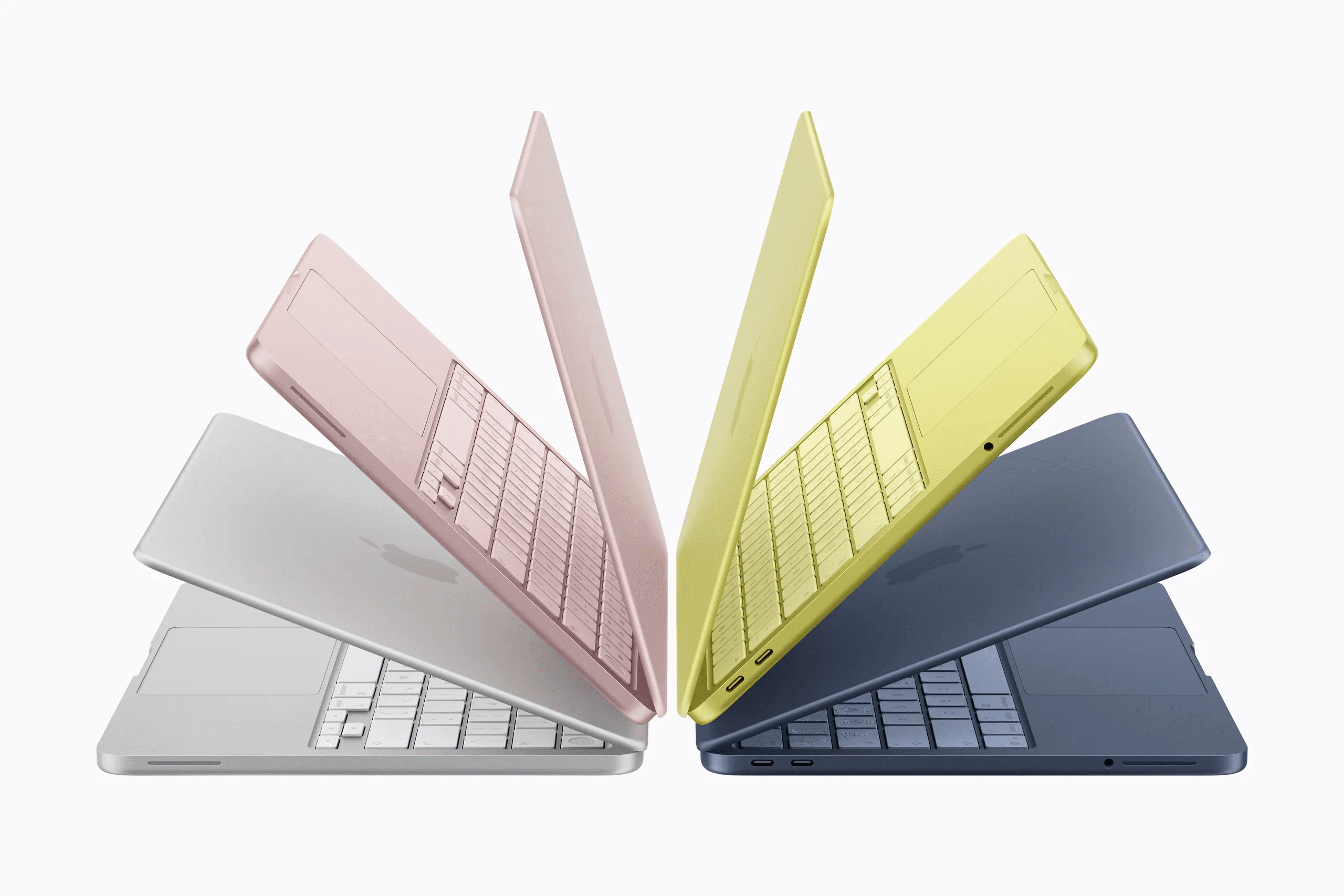
As Apple expands its Mac lineup, attention is quietly shifting to the new MacBook Neo.
Unlike the MacBook Pro, which targets power users, or the MacBook Air, which balances performance and portability, the MacBook Neo feels like Apple’s answer for people who want solid performance without paying a premium price.
Not Just Another Mac
Starting at $599, the MacBook Neo is positioned as a bridge device. It sits between accessibility and capability, targeting students, early-stage founders, creators, and emerging-market users who want performance without stepping into Pro-level pricing.
In a world where AI tools are becoming default productivity companions, from code assistants to generative design platforms, the entry point into capable hardware matters more than ever. The Neo appears designed to make that entry point accessible while keeping users within Apple’s ecosystem.
Key Features and Specifications
While positioned as a more accessible device, the MacBook Neo still carries essential upgrades.
It is powered by an A18 Pro chip, the same chip running an iPhone 16 Pro Max. The device is designed to handle everyday multitasking smoothly, from document editing and web browsing to light creative work and AI-powered applications.
Expected features include:
A high-resolution Retina display.
1080p FaceTime HD camera and a headphone jack
16 hours of battery life.
Multi-Touch Trackpad and the Magic Keyboard.
Thunderbolt/USB-C connectivity.
Optimised performance for AI-enhanced apps.
macOS integration across Apple devices.
A range of four colours (blush, indigo, silver, and a "fresh new citrus").
AI for the Next Billion Users
As artificial intelligence is now a part of everyday software experiences, the question is no longer whether people will use AI; it’s whether their device can keep up.
Devices like the MacBook Neo suggest Apple understands that AI adoption won’t be limited to developers and researchers. Students will use AI for coursework. Creators will use it for design and editing. Entrepreneurs will use it for automation and content workflows.
If the MacBook Pro is about high-performance AI development, and the Air is about mainstream AI readiness, the Neo may represent AI accessibility at scale.
Expanding Access, Not Just Performance
Apple has been cautious about introducing devices that disrupt its own product hierarchy. But the Neo signals a willingness to expand rather than simply replace.
Apple’s strategy seems clear: offer different levels of access.
The MacBook Pro is for heavy professional work.
The MacBook Air balances performance and portability.
The MacBook Neo creates a more affordable starting point.
By diversifying across performance tiers, Apple strengthens retention. Users who enter through a more affordable device are more likely to remain within the ecosystem as their needs evolve.
As AI tools become normal in everyday work, having a capable device matters. If Apple can make that access more affordable while maintaining quality, the Neo could quietly become one of the most important devices in its lineup.
It’s not about being the most powerful device; it’s about being the most practical one for the next generation of users.