
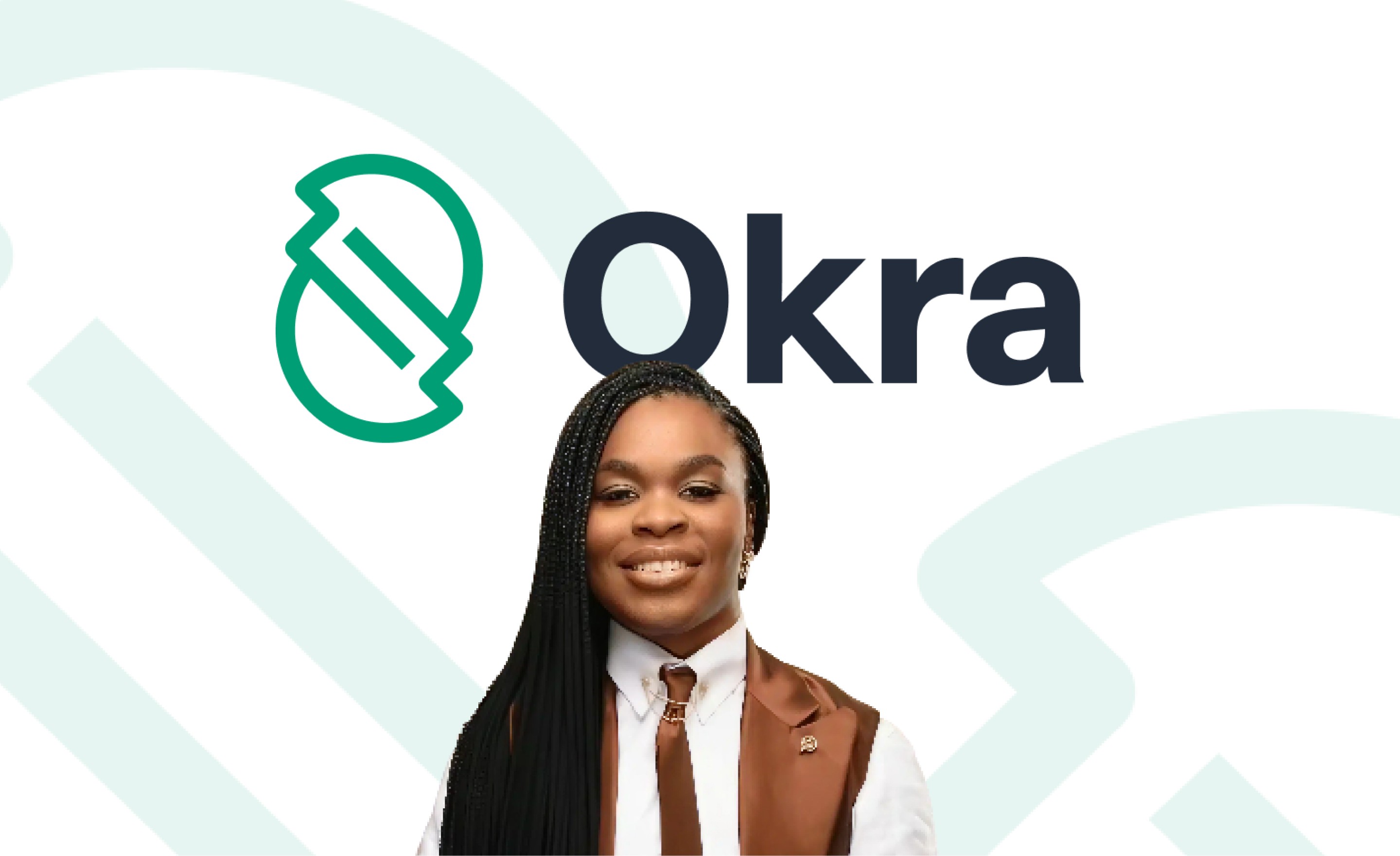

Image credit: TechCabal
Okra, once regarded as one of Nigeria’s most promising fintech startups and a pioneer of open banking in Africa, officially shut down operations in May 2025, ending a five-year journey that helped shape financial data access across the continent.
Founded with the ambition of becoming the “Plaid of Africa,” Okra set out to build the digital rails that would allow fintechs, banks, and developers to access customer-permissioned financial data securely. At its peak, the startup symbolised Africa’s growing fintech sophistication and attracted global venture capital interest. However, by mid-2025, a combination of strategic, economic, and market challenges forced the company to wind down.
Final Status and Transition (2025–2026)
Despite its shutdown, Okra’s exit was relatively orderly and transparent by startup standards.
After five years of operation, Okra chose to close even though it reportedly still had about three years of financial runway left. Estimates suggest the company returned between $4 million and $5.5 million in unspent capital to investors, a rare move in an ecosystem where struggling startups often exhaust funds before folding.
In July 2025, Okra’s co-founder and former CEO/CTO, Fara Ashiru Jituboh, transitioned to a new role as Head of Engineering at Kernel, a British AI startup. Her move signalled a personal pivot back into deep technical leadership after Okra’s closure.
While Okra ceased operating as a standalone company, some of its business assets and technology were reportedly transitioned to other companies, suggesting parts of its infrastructure and intellectual property continued to live on beyond the shutdown.
Before closing, Okra operated at the intersection of fintech infrastructure and developer tools.
Open Banking API
Okra’s flagship product was a secure open banking API that allowed fintechs and financial institutions to connect to customers’ bank accounts with user consent to access real-time financial data. This infrastructure enabled use cases such as:
Account aggregation
Transaction analysis
Income verification
Faster onboarding for fintech apps
At a time when open banking was still emerging in Africa, Okra helped normalise the idea of standardised, consent-driven financial data access.
Nebula: Cloud Infrastructure for Nigeria
In October 2024, Okra launched Nebula, an in-house cloud infrastructure service designed to offer Nigerian businesses a naira-denominated alternative to global cloud providers like AWS and Microsoft Azure.
The goal was ambitious: reduce foreign exchange exposure for local startups and provide cloud services tailored to Nigeria’s economic realities. However, Nebula also marked a significant strategic shift away from Okra’s original open banking focus.
Why Okra Shut Down
Several interconnected factors contributed to Okra’s decision to close.
1. Strategic and Market Traction Challenges
Although Okra raised significant funding and gained early recognition, it reportedly struggled to achieve the level of market adoption and scale required to justify continued operations. Open banking adoption in Nigeria progressed more slowly than expected, limiting revenue growth.
2. Economic Pressures
Nigeria’s macroeconomic environment played a major role. Sharp currency devaluation and FX volatility drove up operational costs, especially for infrastructure-heavy services. Even with Nebula’s naira pricing, underlying costs often tied to dollar-denominated systems became increasingly difficult to manage.
3. Risky Product Pivot
The move into cloud services with Nebula, while innovative, may have diluted focus from Okra’s core open banking mission. Entering the cloud infrastructure market also meant competing directly with deeply entrenched global players like AWS and Azure, a capital-intensive battle few startups can win.
Funding History and Backers
Okra raised a total of approximately $16.5 million during its lifetime.
Notable Investors Included:
TLcom Capital.
Susa Ventures (which led its $3.5 million seed round).
Accenture Ventures.
Base10 Partners.
The backing from both African-focused and global investors underscored the early confidence in Okra’s vision and technical capability.
A Broader Lesson for African Tech Startups
Okra’s shutdown is not just the story of one company; it reflects broader realities facing African startups:
Infrastructure businesses require long timelines and heavy capital.
FX instability can quietly erode even well-funded companies.
Strategic focus is critical, especially in volatile markets.
While Okra may no longer exist as an operating company, its role in advancing open banking conversations in Africa remains significant. For many fintech founders, Okra’s journey will stand as both an inspiration and a cautionary tale about ambition, timing, and the unforgiving economics of building core infrastructure in emerging markets.
What are your thoughts on Okra’s shutdown and the lessons for African startups?
Share this article, and follow The Nxt Box for timely and engaging tech insights.