

For a nation whose former major source of revenue was agriculture, Nigeria has seen the gradual resurgence of agricultural exploration after the promise of oil failed to deliver broad-based relief to the populace.
Long before crude oil defined the country’s economic identity, farming sustained livelihoods, powered exports, and anchored rural communities. Cocoa, groundnut, palm produce, and cotton once positioned Nigeria as a global agricultural force. But as oil revenue took centre stage, agriculture was neglected, underfunded, and left to survive on outdated methods.
Decades later, with oil wealth unable to translate into widespread prosperity, attention has returned to the soil. This time, however, the comeback is not driven by nostalgia or subsistence. It is being powered by technology.
Across Nigeria, farmers are quietly evolving, blending inherited knowledge with digital tools that help them plan better, produce more, and earn fairly. Agritech startups are not merely offering software. They are reshaping how farming works, how farmers think, and how food moves from the field to the table.
From Guesswork to Data
The Farmer’s New Reality
A few years ago, when farmers were first introduced to ideas like cloud storage and digital farm records, many were understandably sceptical. Farming was physical. You touched the soil. You watched the sky. You relied on memory and instinct. Managing a farm through a phone or a dashboard felt distant and abstract.
Today, that perception has changed. Farmers still rely on experience, but it is now supported by data. Weather alerts inform planting decisions. Soil assessments guide fertiliser use. Market information shapes when and where produce is sold. Technology has not replaced the farmer’s intuition. It has strengthened it.
This shift did not happen by accident. It was forced by years of structural challenges that made traditional farming increasingly unsustainable.
Why Nigerian Farmers Had to Evolve
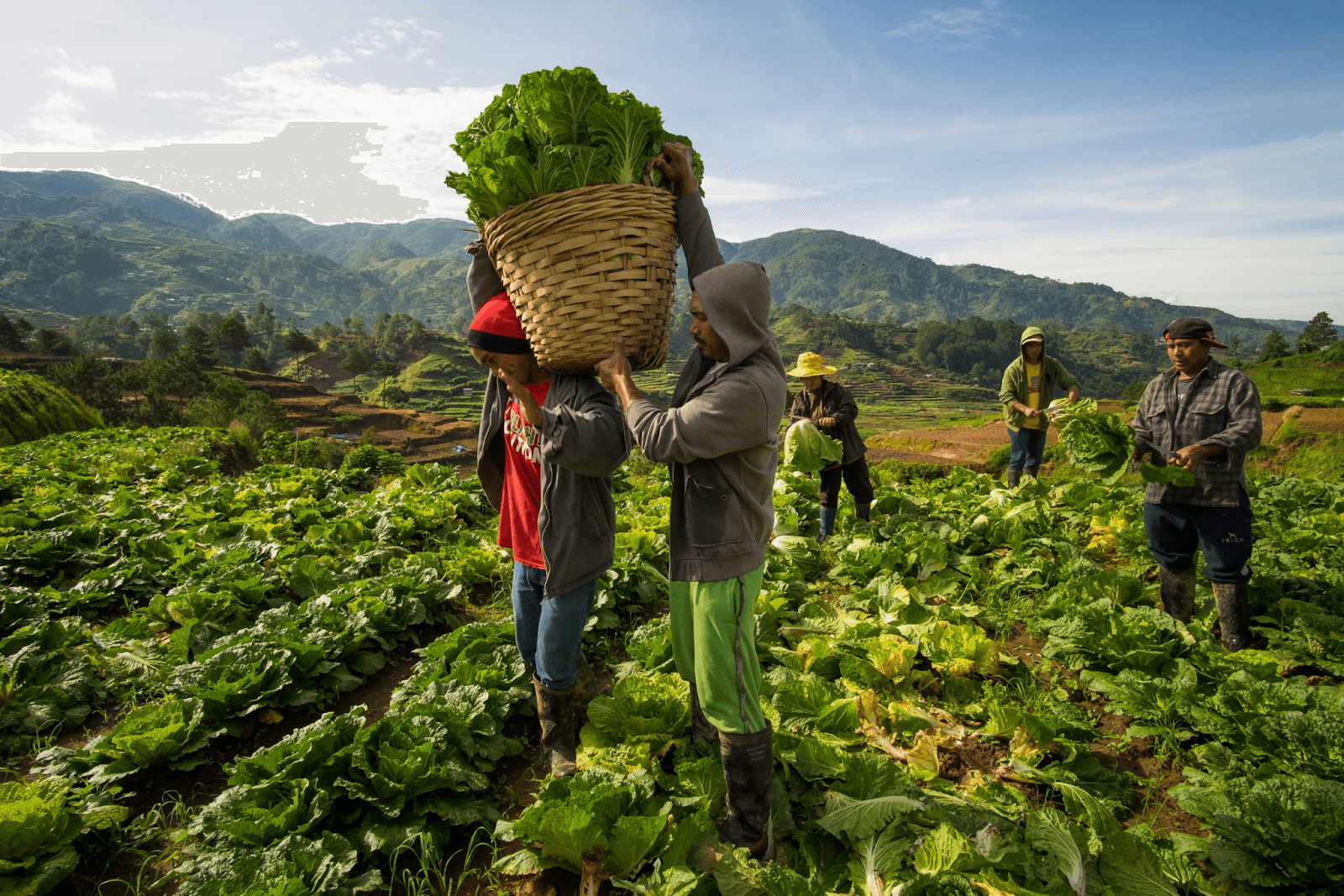
Nigeria’s agricultural sector has long struggled under the weight of systemic problems that limited productivity and discouraged growth. These challenges created fertile ground for agritech solutions.
Persistently Low Yields and Food Insecurity
Despite vast arable land, many Nigerian farms still produce significantly less per hectare than global averages. Smallholder farmers, who make up the majority of the sector, often rely on manual labour and lack access to improved seeds and modern inputs. As the population continues to grow, this productivity gap has placed immense pressure on food availability and pricing, making basic staples more expensive for households.
Severe Post Harvest Losses
For many farmers, harvesting crops does not guarantee income. Poor storage facilities, inefficient transportation, and slow access to markets mean that a large percentage of produce, especially perishables like tomatoes, vegetables, and fruits, spoil before they are sold. This loss represents wasted labour, reduced income, and higher food prices downstream.
Climate Instability
Unpredictable rainfall, prolonged droughts, and flooding have made farming riskier. Traditional planting calendars no longer align with changing weather patterns. Without access to timely climate data, farmers are often left reacting to disasters instead of preventing losses.
Limited Access to Finance and Markets
Most smallholder farmers operate outside the formal financial system. Without records, collateral, or credit histories, they struggle to access loans. At the same time, reliance on middlemen often leaves them with poor prices for their produce. Farming became a cycle of high effort and low reward.
Agritech did not solve these problems overnight, but it introduced tools that helped farmers regain control.
How Agritech Is Reshaping the Nigerian Farmer
The true impact of agritech lies in how it has transformed farming from a survival activity into a structured enterprise.
Access to finance without traditional banking barriers
For years, local farmers struggled to access loans because they lacked collateral, formal records, or credit histories. Agritech platforms like FarmCrowdy, Thrive Agric, Babban Gona, AgroMall, and FarmDrive changed this by building trust around data rather than paperwork. By tracking farm size, planting cycles, input usage, and harvest outcomes, these platforms made farmers visible to lenders.
This has allowed farmers to receive funds at the right time, purchase quality seeds and fertilisers early, and repay after harvest rather than under rigid monthly terms. Farming has shifted from survival mode to planned production. The mental relief this brings is just as significant as the financial support.
Affordable mechanisation that saves time and labour
One of the biggest challenges local farmers face is labour intensive farming methods that limit scale and reduce yields. Platforms like Hello Tractor introduced a simple but powerful idea: farmers do not need to own tractors to benefit from them. By connecting tractor owners to farmers through digital booking and local agents, mechanisation became accessible.
This has helped farmers prepare land faster, plant within optimal windows, and reduce physical strain. Timely planting alone can determine whether a season succeeds or fails. With mechanisation, farmers gain back time and improve productivity without increasing costs beyond reach.
Reduced post harvest losses and better market access
For many farmers, the hardest part of farming begins after harvest. Without storage, produce spoils quickly, forcing farmers to sell at low prices. Agritech startups like ColdHubs, AFEX, AgriCool, and Winichfarms are addressing this problem directly.
Solar powered cold storage units allow farmers to preserve fruits and vegetables close to markets. Structured warehousing systems give grain farmers the option to store crops safely and sell when prices improve. Logistics platforms connect farmers to buyers faster, reducing waste and delays. The result is simple but powerful: farmers no longer sell out of fear. They sell with choice.
Data driven farming and better decision making
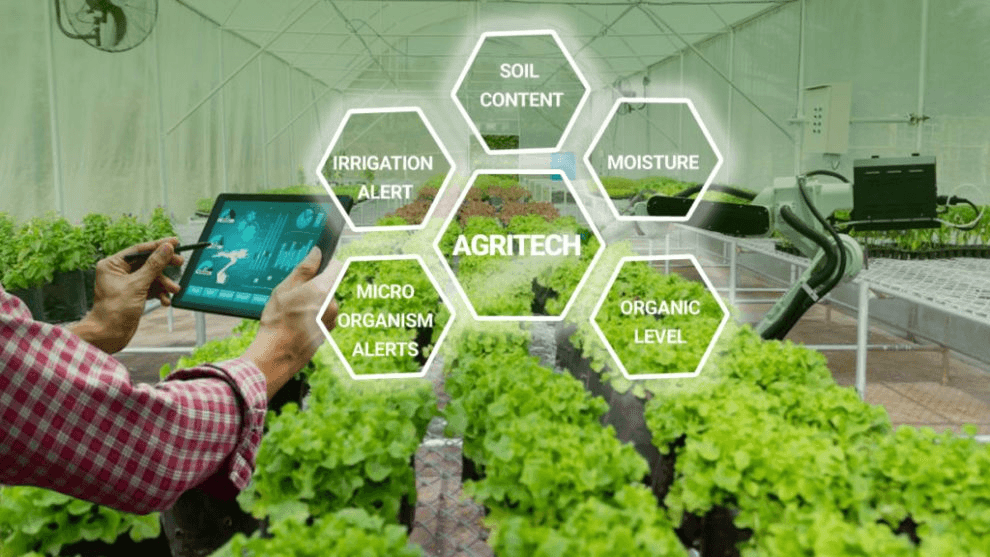
Technology is also helping farmers understand their land better. Platforms like Zenvus and Probity Farms use sensors, mobile tools, and analytics to monitor soil health, moisture levels, and crop performance. Instead of guessing when to water or fertilise, farmers receive actionable insights. This reduces input waste, improves yields, and lowers costs. Over time, farmers become more efficient and confident in their decisions. Farming shifts from intuition alone to informed planning.
Training, community, and knowledge transfer
Beyond tools and funding, agritech platforms are creating learning ecosystems. Many startups embed training programs that teach farmers modern practices, climate resilience, and financial literacy. Farmer groups, cooperatives, and digital communities allow knowledge to spread faster than ever before.
This collective growth ensures that progress is not limited to one season or one individual. It becomes sustainable.
What This Evolution Means for Nigeria
The evolution of farmers has broader implications for the economy and society.
Improved productivity stabilises food supply and reduces inflationary pressure on food prices. Higher rural incomes stimulate local economies and create employment opportunities. Digital records and financial inclusion make farmers more bankable, attracting further investment into agriculture.
Perhaps most importantly, technology is changing how young people view farming. As agriculture becomes more profitable and structured, it begins to look less like a dead end and more like a viable career.
The Road Ahead
Despite the progress, challenges remain. Rural connectivity, power supply, digital literacy, and affordability still limit adoption in some areas. Addressing these gaps will require collaboration between government, private sector players, and development partners.
What is clear, however, is that Nigerian agriculture is no longer standing still. Farmers are adapting, learning, and evolving.
The story of Nigerian agriculture today is not just about food. It is about evolution. And in that evolution lies the blueprint for a more resilient and food secure nation.